
Understanding Linalool: Nature’s Therapeutic Marvel
Are you curious about the natural compounds that could potentially enhance your wellbeing? One such compound is linalool, a terpene known for its compelling therapeutic effects and enticing floral scent. Known primarily for its presence in lavender, linalool is more than just a pleasant aroma. New research is unraveling its synergistic roles and applications, especially when combined with other cannabinoids.
A 2023 study published in *Biochemical Pharmacology* highlights the powerful partnership between linalool and THC. This study reveals an increased activation of CB1 receptors when the two compounds are used together, indicating a range of enhanced therapeutic effects. But what does this mean for you?
In this article, you’ll learn:
- What linalool is
- The chemical profile of linalool terpene
- Where to find linalool beyond lavender
- What linalool smells like
- The potency and therapeutic benefits of linalool
What is Linalool?
Linalool is a naturally occurring terpene found in over 200 plants. It’s recognized for its mild, pleasant floral aroma. But there’s more to this compound than just its scent. Linalool is known for a wide range of therapeutic effects, including anti-inflammatory, anxiolytic, sedative, and antimicrobial properties.
If you’ve ever looked at a terpene effects chart, you’ll see that linalool consistently stands out for these impressive benefits.

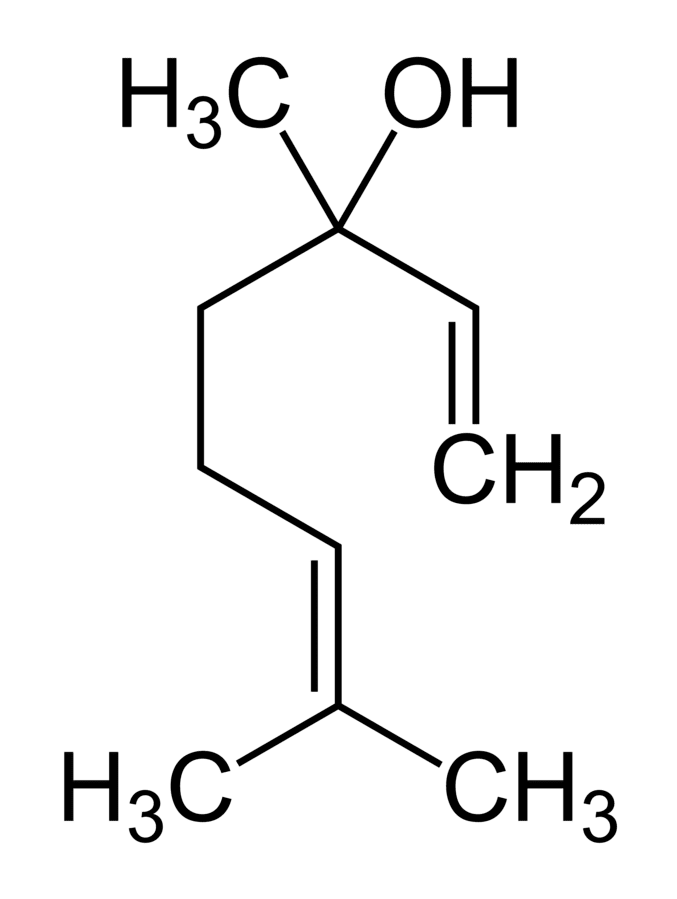
The Chemical Profile of Linalool Terpene
Linalool belongs to a group of organic compounds called terpenes, which are responsible for the distinct flavors and fragrances of many plants. The structure of linalool allows it to interact efficiently with a variety of receptors in the human body, contributing to its beneficial effects.
Sources of Linalool: Beyond Lavender
While lavender is the quintessential source, linalool is also found in other plants like mint, cinnamon, and some cannabis strains. This multi-faceted terpene enriches a variety of everyday items, making it widely accessible.
For instance, Caryophyllene Terpene, found in black pepper and cloves, pairs well with linalool in creating soothing and anti-inflammatory products. Meanwhile, Ocimene Terpene, abundant in mangoes and basil, adds a sweet, herbaceous layer that complements linalool’s floral aroma in various wellness and beauty formulations.
Products containing linalool range from essential oils to beauty and cleaning products, making it an accessible compound for daily use. The versatility of linalool is mirrored by other terpenes like Limonene Terpene, which is predominantly found in citrus fruits and adds an invigorating zest to both aromatic and topical applications.
Whether you’re diffusing essential oils containing linalool or using a skincare product infused with it, combining these terpenes can elevate your overall experience, highlighting the harmonious synergy between them.
Lavender Terpenes: The Quintessential Source
Lavender essential oil is perhaps the most well-known source of linalool. The soothing aromas of lavender essential oils often used in aromatherapy can be attributed largely to their linalool content.
What Does Linalool Smell Like?
Linalool often evokes a floral aroma, which is why it’s a popular ingredient in perfumes and scented products. It has a gentle, slightly spiced scent that’s both calming and uplifting.
Unlocking the Potency of Linalool Terpene
Before we delve into the specific effects and benefits, it’s important to understand why linalool is so potent. The key lies in its bioactive properties and how these properties interact with our biological systems.
Linalool Terpene Effects and Benefits: A Scientific Overview
Bioactive Properties: From Anticancer to Neuroprotection
Preclinical studies have revealed many potential linalool effects, including anticancer and neuroprotective properties. This suggests that linalool could play a crucial role in holistic health and disease prevention.
Anxiolytic and Sedative Effects: Pathways to Relaxation
Linalool is well-documented for its anxiolytic and sedative effects. The compound works by interacting with neurotransmitters in the brain, potentially alleviating anxiety and promoting deep relaxation.
| Source | Main Compound | Key Benefits |
|---|---|---|
| Lavender | Linalool | Relaxation, anxiety relief, sleep aid |
| Mint | Linalool | Freshness, antimicrobial, digestive aid |
| Cannabis Strains | Linalool | Enhanced therapeutic effects with THC |
The Role of Linalool in Aromatherapy: Scent and Sensibility
The calming floral scents of linalool-rich oils, like lavender essential oil, are often used in aromatherapy to reduce stress and enhance mood.
Understanding the wide range of effects of linalool and its benefits can help you make informed decisions about its use. Whether you’re considering its inclusion in your wellness routine or exploring it as part of cannabis terpenes, grasping its full potential can be greatly enlightening.
The Therapeutic Frontier: Linalool’s Mental Health Promise
Imagine a natural compound that could help alleviate anxiety, reduce stress, and improve sleep—all while offering a multitude of additional health benefits. Remarkably, linalool, a terpene abundant in plants like lavender, promises this and more. Recent research underscores its potential, particularly in the realm of mental health, making linalool an exciting subject of scientific inquiry.

Bioactive Properties: A 2021 review in Food & Function emphasizes the extensive bioactive properties of linalool, such as its anticancer, antimicrobial, neuroprotective, anxiolytic, antidepressant, and anti-inflammatory effects. The review highlights the ability of linalool to protect organs like the liver, kidneys, and lungs while noting its low toxicity, making it a robust candidate for therapeutic applications.
Anxiolytic and Sedative Effects: Research reveals that linalool’s interaction with brain receptors, particularly GABA, significantly reduces anxiety and promotes relaxation. This mechanism helps calm the nervous system, improving sleep quality by increasing deep sleep duration and reducing sleep latency.
Antimicrobial Properties: Linalool exhibits robust antimicrobial activity against various pathogens, including bacteria and fungi. It’s used in natural cleaning products and disinfectants due to its ability to disrupt pathogen cell membranes effectively.
Therapeutic Uses in Aromatherapy: Linalool’s aroma isn’t just relaxing; it holds potent therapeutic benefits. It’s used in essential oil blends to alleviate stress, anxiety, and improve sleep. Its anti-inflammatory and analgesic properties also make it a sought-after component for pain relief.
Using Terpene Sprays to Maximize Cannabis Experience
If you’re passionate about cannabis and looking to elevate your experience, I believe terpene sprays are a game-changer. Terpenes are known to enhance the effects of cannabis, and linalool, in particular, offers a unique, calming twist. Here’s how you can infuse your cannabis strains with terp spray for an enriched aromatic and therapeutic experience.
Enhancing Your Cannabis with Terpene Spray
When and How to Use:
Pre-Smoke: Lightly spray your cannabis flower with a terpene spray before you grind it up. This will allow the terpenes to integrate seamlessly with the plant material, offering a smoother, more fragrant smoking or vaping experience.
On Edibles: Add a couple of spritzes of the terpene spray to your prepared cannabis edibles. Terpene spray containing linalool can enhance the flavor profile while contributing to a more profound relaxing effect.
During Storage: By spraying your storage containers with the terpene spray, you improve the storage quality of your cannabis. The linalool helps maintain freshness and adds an aromatic layer that enhances the natural terpenes present in the strain.

Quick Tips:
Experiment with Dosage: Start with a small amount and adjust based on your preference.
Storage: For ongoing freshness, consider giving a light spray to your storage containers periodically.
Final Thoughts: The Future of Linalool in Therapeutic Innovation
The future looks promising for linalool as scientific literature continues to highlight its extensive therapeutic potential. From mental health applications to its role in natural cleaning solutions, linalool’s versatility makes it a compound worthy of further exploration and use.
FAQs
Is Linalool Safe for Daily Use?
Linalool is generally recognized as safe for daily use when used in appropriate concentrations. Its low toxicity, as highlighted in scientific studies, suggests it can be used without significant adverse effects.
How Can I Identify High-Linalool Strains?
Look for cannabis strains like Lavender Kush, which is rich in this terpene. Strains high in linalool are typically characterized by their floral aroma and relaxing effects.
Can Linalool Terpene Benefits Extend to Pets?
Yes, linalool can benefit pets, especially in calming oils formulated for animals. However, always consult with a veterinarian before introducing new compounds to your pet’s routine.
Are There Any Known Side Effects of Linalool?
While linalool is generally safe, some individuals may experience allergic reactions or skin irritation. Always conduct a patch test when using linalool-rich products for the first time.